Grains are a staple in households around the world, valued not only for their nutritional benefits but also for their long shelf life—if stored properly. Yet many people are surprised by how quickly grains can lose flavor, absorb moisture, or attract pests when kept in unsuitable conditions. Whether you regularly cook with rice, quinoa, oats, barley, or mixed cereals, understanding how to store them correctly can significantly extend their freshness and quality. With a few mindful practices rooted in temperature control, moisture prevention, and airtight containment, you can transform your pantry into an environment that preserves grains at their best for months or even years. This guide explores the essential techniques every home should adopt to keep grains fresher longer, ensuring better taste, higher nutritional value, and less waste.
Why Grain Freshness Declines and What You Can Do About It
The main enemies of grain longevity are moisture, air exposure, heat, and pests. Grains naturally contain small amounts of oils and organic compounds that degrade when exposed to oxygen or elevated temperatures. Even whole grains like brown rice or millet, which are richer in natural oils, can turn rancid far faster than expected if stored in warm or humid spaces. Furthermore, air leaks or improper packaging invite insects, particularly in regions with fluctuating climate conditions. Understanding these risks is the first step to preventing them. By recognizing how quickly grains can deteriorate due to environmental factors, you become better equipped to choose storage solutions that block out external threats and maintain the grains’ original integrity. This foundation makes it easier to adapt your pantry for long-term storage success.
Choosing the Ideal Storage Containers for Maximum Freshness
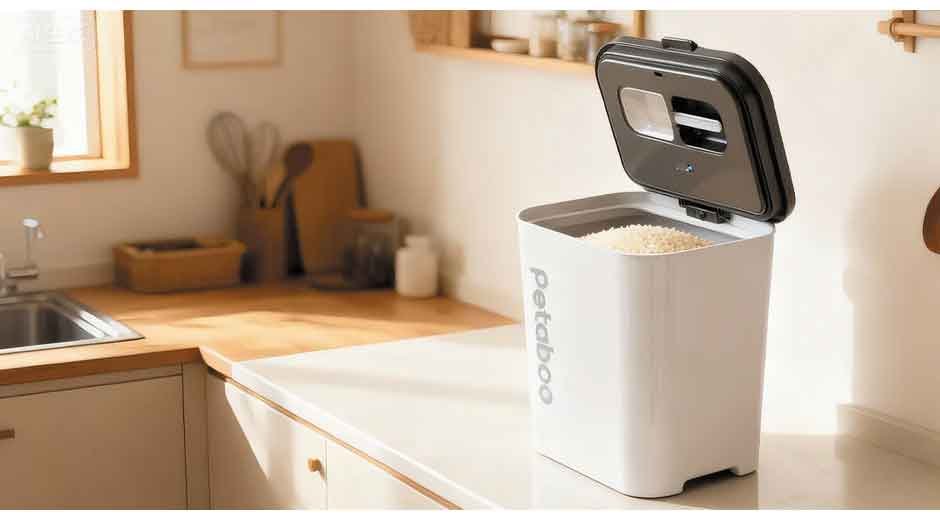
The type of container you use determines how well your grains resist environmental changes. Non-airtight packaging, such as thin plastic bags or partially open paper bags, allows humidity and oxygen to slip in, slowly reducing freshness. Instead, thicker airtight containers made of durable plastic, metal, or glass provide stronger protection against moisture and pests. Some households prefer transparent containers because they make it easier to track quantity and check grain condition at a glance. Others choose stackable formats to maximize pantry organization. Modern households also increasingly turn to solutions like a 米びつ 真空, which removes excess air and creates a stable, sealed environment ideal for long-term freshness. Regardless of the specific container you choose, prioritizing airtight construction, sturdiness, and ease of cleaning ensures that your grains remain uncontaminated, flavorful, and ready to use at all times.
Maintaining Proper Temperature and Light Conditions in Your Pantry
Temperature plays a significant role in grain preservation. Even the best containers cannot fully protect grains if they are kept in a hot, sunlit, or poorly ventilated environment. Grains last longest when stored at cool, consistent temperatures—ideally below room temperature, if possible. Exposure to heat accelerates chemical breakdown inside the grain, leading to loss of nutritional quality, unpleasant odors, or shortened shelf life. Direct sunlight also raises container temperature unexpectedly, even if the room itself remains moderate. To counter this, place grain containers on lower shelves or inside cabinets away from heat-producing appliances. If you live in a warm climate, consider storing bulk grains in a cooler interior space or dividing them into smaller portions for refrigeration or freezing. Maintaining a stable environment not only safeguards grain freshness but also supports overall pantry organization and reduces contamination risks.
The Role of Moisture Control in Long-Term Grain Storage
Moisture is arguably the most significant threat to grains, as even a small amount can lead to mold growth or bacterial activity. Grains naturally absorb ambient humidity, which is why leaving them exposed on kitchen counters can cause them to degrade rapidly. To maintain dryness, always ensure that storage containers are completely free of moisture before refilling them. Wipe them thoroughly and allow them to air dry after washing. Some households use moisture-absorbing packets or food-safe desiccants to help maintain a stable environment inside larger grain containers, especially in humid seasons. Additionally, avoid storing grains near the dishwasher, sink, or other sources of steam. By consistently keeping your grains in dry conditions, you minimize the risk of clumping, odor changes, and microbial contamination. This one habit alone can dramatically increase the shelf life of the grains you rely on most.
Protecting Your Grains from Pantry Pests and Contamination
Pantry pests thrive in warm, moist environments and can rapidly multiply if grains are stored in open or weakly sealed packaging. Even tiny gaps are enough for insects to enter and lay eggs, affecting an entire batch. To protect your grains, regularly inspect both new purchases and existing pantry items for signs of infestation. Many people freeze newly purchased grains for several days before transferring them to airtight containers, as this can kill potential insect eggs. Additionally, cleaning your pantry shelves on a regular basis prevents crumbs and residues from attracting pests. Make it a habit to rotate your grain stock by placing newer items behind older ones to maintain freshness and avoid accidental long-term storage of forgotten bags. A clean, well-organized pantry encourages you to use what you already have efficiently while preventing pests from finding opportunities to spread.
Properly Labeling and Rotating Your Grain Inventory
Even with perfect storage conditions, proper grain management makes a noticeable difference in freshness. Labeling containers with purchase dates or refill dates helps you track how long the grains have been stored. This prevents you from overlooking older batches that might degrade before you use them. Additionally, separating whole grains from processed grains helps you anticipate which items will expire sooner, as whole grains have a shorter shelf life due to their natural oils. Regularly checking your inventory allows you to identify grains that should be consumed soon or replaced if quality has declined. This routine not only supports better food organization but also contributes to healthier, more efficient meal planning. By building a simple rotation system, you reduce waste and ensure that every serving of grain you prepare delivers optimal flavor and nutrient value.
Conclusion: A Thoughtful Approach to Grain Storage Ensures Long-Lasting Freshness
Keeping grains fresh for longer is not a complicated process, but it does require thoughtful habits and the right storage strategies. By controlling moisture, maintaining cool temperatures, and using airtight containers that protect against pests and oxidation, you create an ideal environment that supports the long-term quality of your grains. Additional practices like proper labeling, pantry rotation, and regular inspections make grain management easier and more efficient. These methods work together to preserve flavor, texture, and nutritional content, ensuring that your grains remain a dependable, high-quality part of your daily meals. With a well-organized storage system and consistent care, you can enjoy fresher grains year-round while minimizing waste and maintaining a healthier, more sustainable home kitchen.